
Securing Australia’s Fuel Future
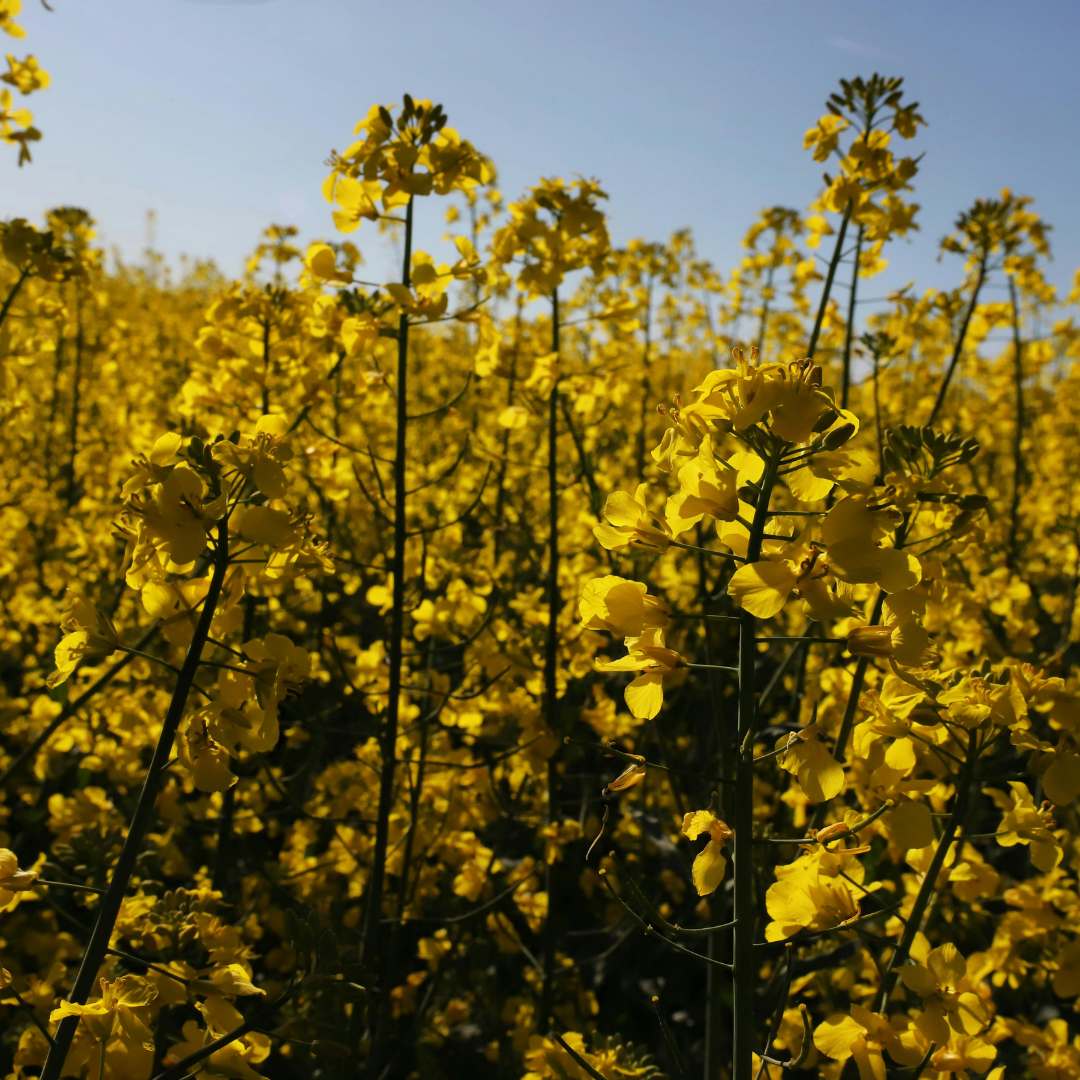
Global supply disruptions have thrust Australia’s fuel security into the national spotlight. We’re now activating emergency measures from the National Fuel Security Plan while 80%+ of our refined fuels come from overseas, primarily Singapore, Korea, and China. Transport burns through 56.5 billion litres annually, fueling 32% of national emissions and leaving our economy exposed to geopolitical shocks or refinery closures abroad.
Recent crises expose this vulnerability – spiking prices amid already rationed supply. Freight operators face margin erosion, airlines ground flights, and regional communities experience delivery delays. Every disruption reminds us: we can’t keep outsourcing energy security. These challenges create our window of opportunity to establish domestic fuel production while advancing net zero goals.
Industry leaders are zeroing in on low carbon liquid fuels (LCLFs), not as a green add-on, but as the strategic pivot to reclaim control. Powering Australia’s HORIZON 2035: A path to low-emissions transport identifies LCLFs as Australia’s most promising opportunity. Biogenic fuels convert our A$1B tallow and A$5.7B canola exports into drop-in diesel and jet fuel (73-94% emissions reduction). eFuels turn abundant renewables into synthetic equivalents (up to 100% reduction). Both rebuild refineries, create jobs, and deliver sovereignty.
Why LCLFs Solve Both Problems at Once
LCLFs represent an uncompromised solution that tackles fuel security and decarbonisation in tandem. Heavy transport networks, aviation, and maritime shipping cannot realistically transition to battery power in the near term, yet they continue to consume our most expensive imported fuels. Biogenic LCLFs resolve this by processing the agricultural feedstocks we currently export, while eFuels tap directly into our highly competitive renewable energy resources.
To meet domestic demand alone, Australia will require 850 million litres of sustainable aviation fuel (SAF) and 2.5 billion litres of renewable diesel by 2030. Emerging international frameworks, such as Europe’s 2% SAF mandate starting in 2025, are simultaneously opening lucrative export markets. By cutting feedstock costs 10% through improved crop yields and localised processing, the end-product fuel becomes 6% cheaper. Constructing production plants adjacent to these feedstocks, such as the sugarcane fields of Queensland or the canola farms of southern Australia, effectively eliminates transport bottlenecks and weather-related supply risks.
Production Pipeline
The domestic production pipeline is already shifting from strategy to physical infrastructure. In Townsville, Jet Zero Australia is developing a sustainable aviation fuel plant backed by A$14 million from the government alongside partners Qantas and Airbus. Once operational by 2028, the facility will produce 102 million litres of SAF annually from local agricultural and sugar industry by-products, marking the country’s largest single commitment to sustainable aviation fuel.
Major fuel suppliers are modifying their existing assets to meet this shift. Ampol is upgrading its Lytton Refinery near Brisbane to manufacture both SAF and renewable diesel, while GrainCorp plans to crush canola locally to deliver 330,000 tonnes of oil annually. This processing capacity ensures that 12% of our current agricultural exports are retained on-shore for value-add production rather than being shipped overseas.
Even paused initiatives, such as the BP Kwinana project, demonstrate the scale of the domestic opportunity, with canola assets alone capable of generating 849 million litres of biogenic fuel each year. On the eFuels side, HIF Global’s HIF Tasmania project is preparing to convert domestic green hydrogen into e-methanol, standing as one of seven large-scale developments recently shortlisted under the government’s restructured A$1 billion Hydrogen Headstart program.
The Real Economic Prize
With focused support, HORIZON 2035: A path to low-emissions transport forecasts LCLFs delivering A$1 billion economic value by 2035, scaling to A$8.6 billion by 2050 – an 8.6x return over 15 years. This sustains 80,500 jobs by 2035 across construction, operations and supply chains, plus thousands more in regional services.
Each major production facility creates hundreds of high-skilled regional jobs, spanning from primary producers to specialized refinery technicians. Developing these integrated supply chains links growers, crushers, refiners, and commercial end-users through long-term contracts that provide absolute investment certainty.
International markets like the United States have already established 19 billion litres of capacity through tax credits, frequently targeting Australian canola and tallow as preferred inputs. A business-as-usual approach misses this opportunity entirely. By investing in domestic LCLF production, Australia can move past negligible economic impact to scale its national fuel security orders of magnitude higher.
Download HORIZON 2035: A path to low-emissions transport for the full roadmap to fuel sovereignty.